
British Science Week is a ten-day celebration of science, technology, engineering and maths that takes place between 8 – 17 March 2024. Obviously our brilliant science teachers would argue that every week is Science Week at Breakthrough, but we have enjoyed having even more of a focus this week! The theme for this year is ‘time’ and, as with every year, there is a national focus on celebrating the diverse people and careers within British science and engineering.
The team behind British Science Week have created ‘Smashing Stereotypes‘ – a collection of over 40 stories from individuals and teams that challenge long-standing stereotypes, with the aim of encouraging more young people, from all backgrounds, to see themselves as scientists. It’s inspiring stuff! Take a look here.
Here at Breakthrough we have been conducting a range of experiments and practicals.
At Brocks, both students and staff have been looking at creative adaptations. We have been thinking about how animals have been able to adapt to their environment over time.


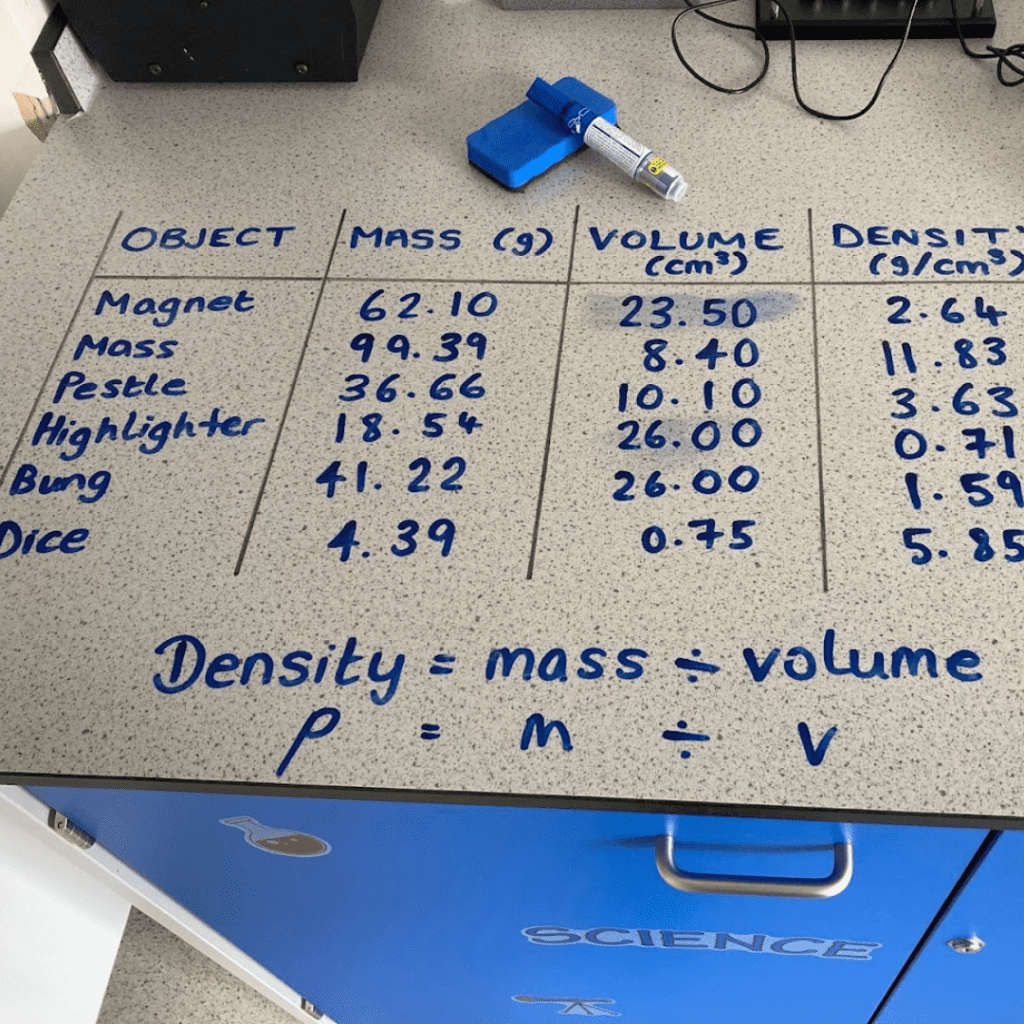
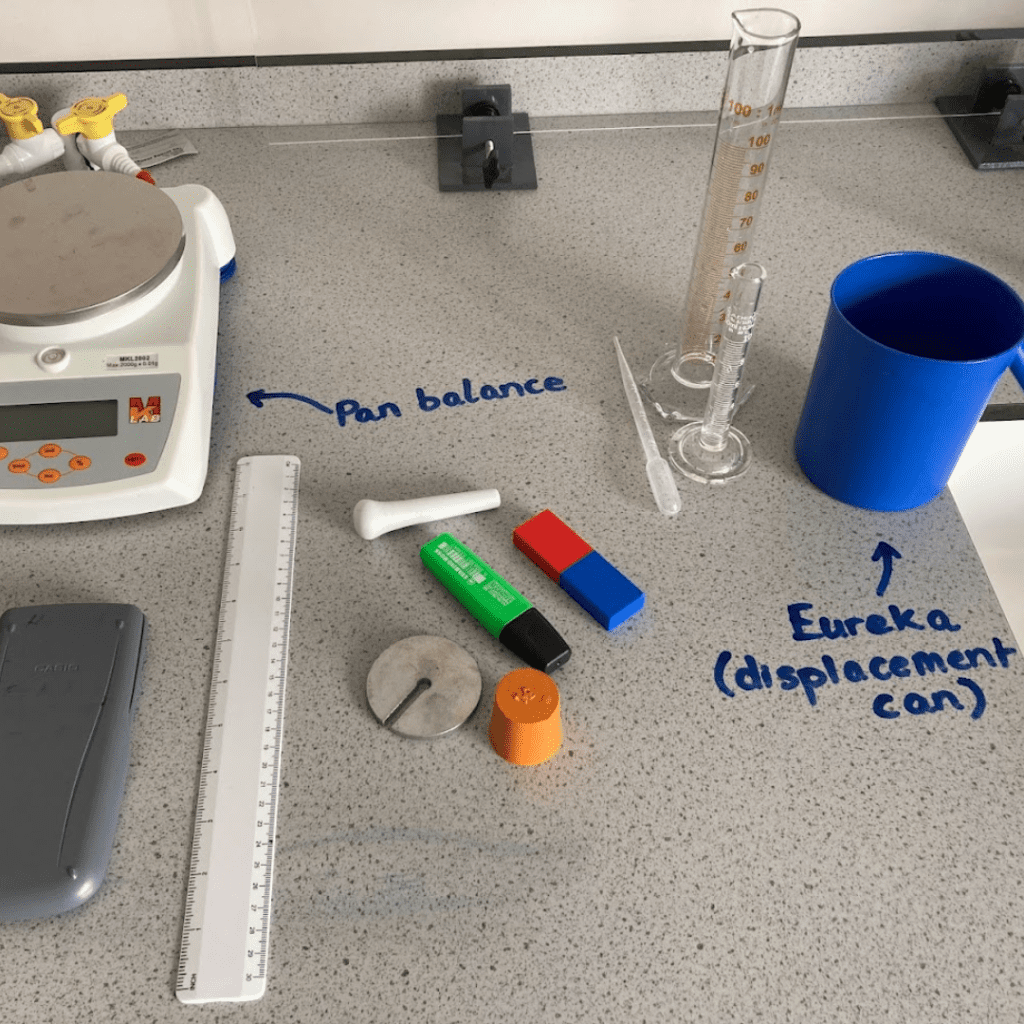
Students have also been assessing the density of objects and predicting whether they will sink or float; measuring the range in pitch as a marble makes its way through a musical run and calculating the rate of reaction between different metals and acid. The student involved was fascinated to see the change in temperature with the more reactive metals. We also treated for the presence of hydrogen gas by completing the ‘squeaky pop’ test! Finally, we continued the theme of time by sequencing events in the history of the universe in chronological order.

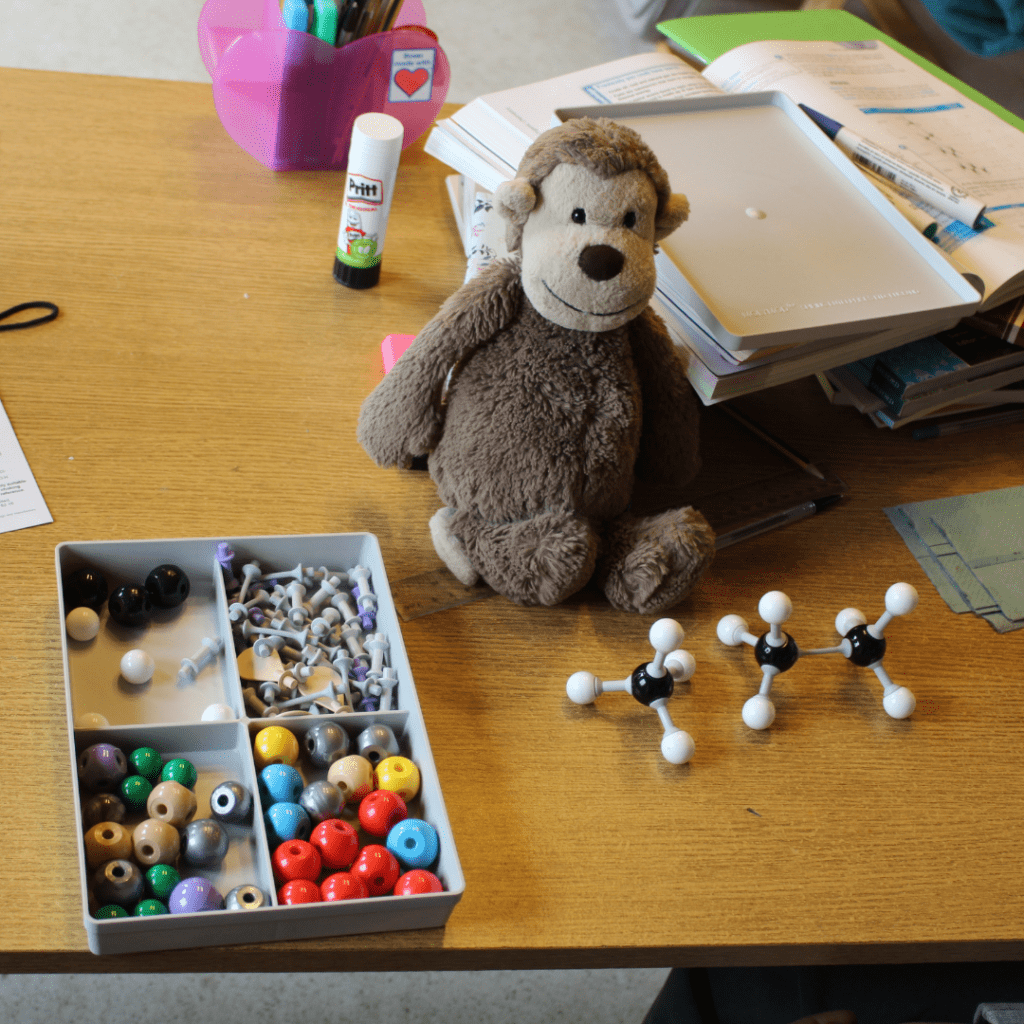
At Cannamore, students have been building hydrocarbon chains out of molymods to show the difference between alkanes and alkenes.

We also conducted a fascinating experiment with a loudspeaker and some non-Newtonian fluid – in this case a suspension of fine cornflour in water. When it is subjected to a percussive shock it behaves like a solid. However, it quickly reverts to being a liquid when left. By using a loudspeaker we were able to use the vibrations to make the fluid jump and briefly solidify. We found the best results at 20 Hertz using a square waveform. Watch a short slow-motion video of it below:
