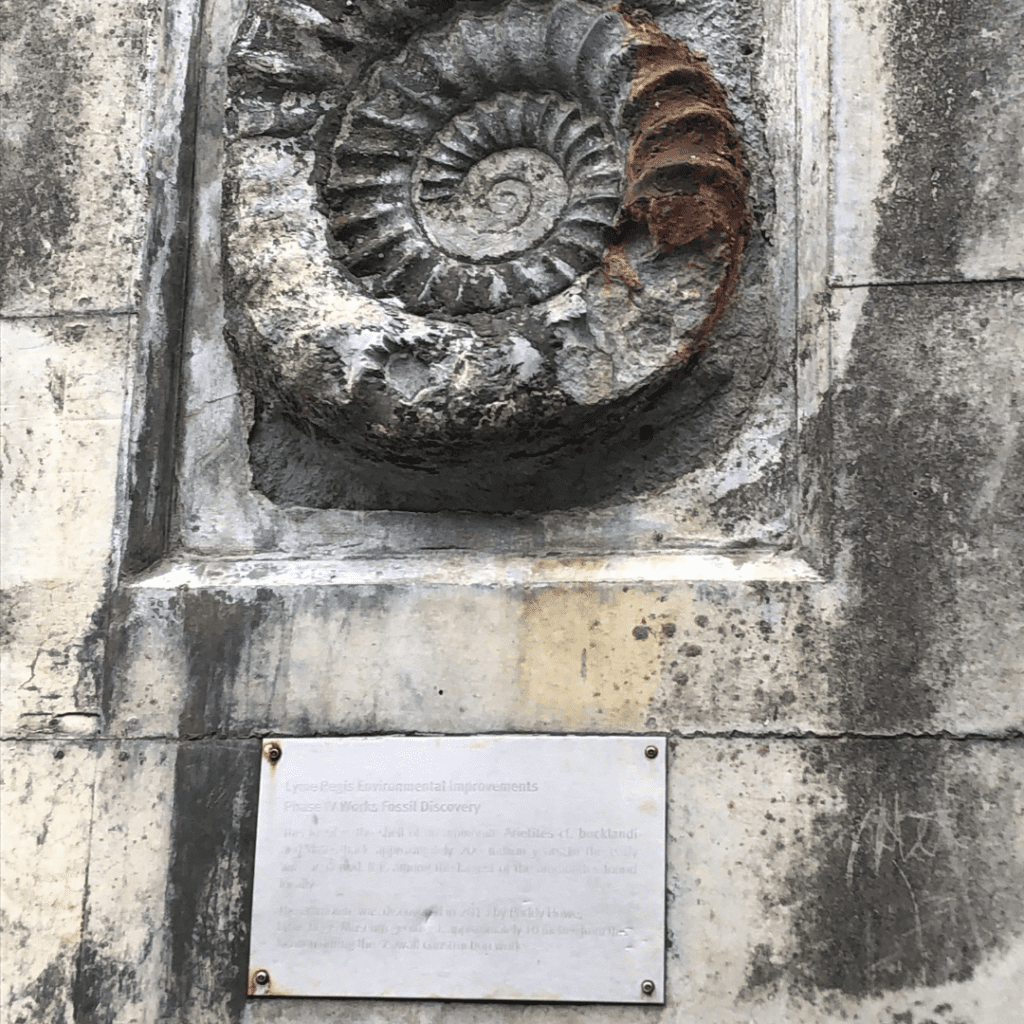
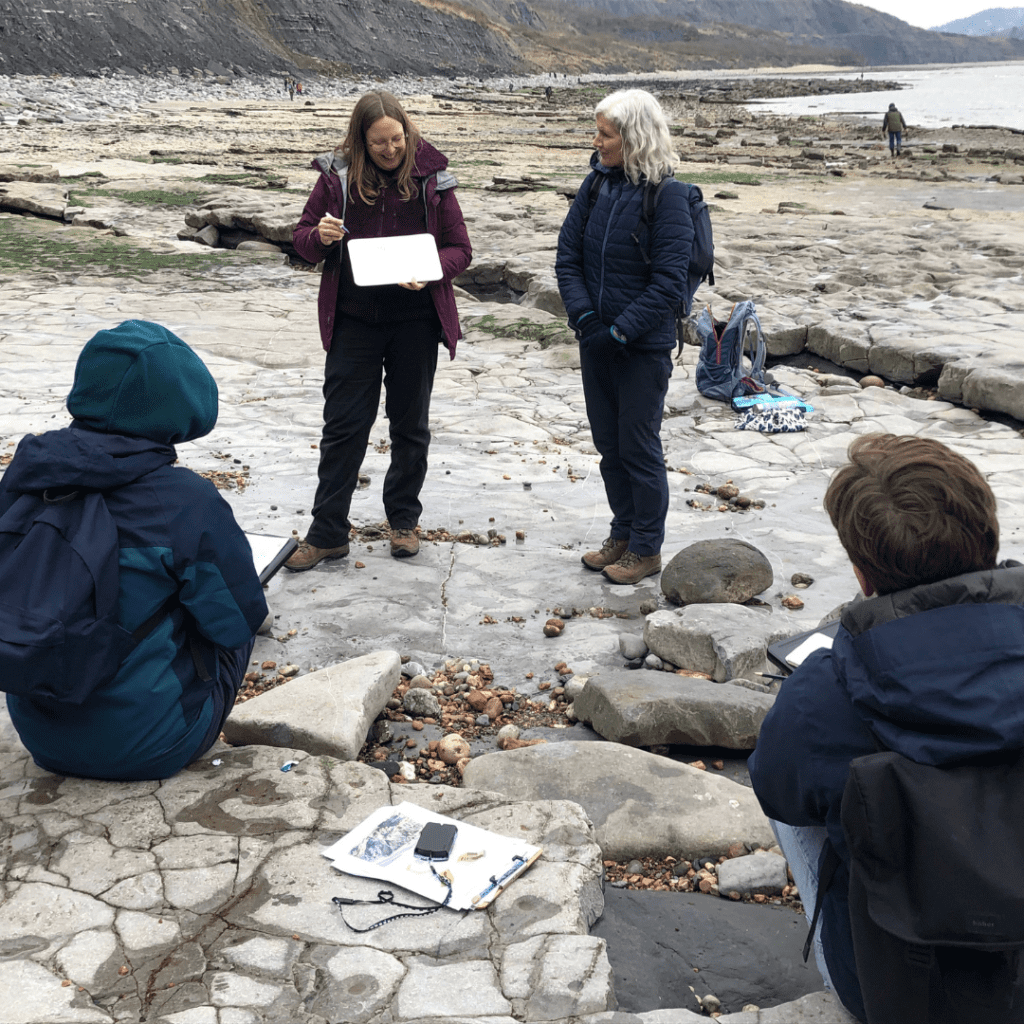
Fieldwork is an essential component of geography education. It enables students to better understand the ‘messiness’ of geographical landscapes, develop subject knowledge, and gain a range of skills that are difficult to develop in college alone. A Level Geography involves students undertaking at least four days of fieldwork and completing an independent investigation, often focusing on topics like river or coastal landscapes. We are very fortunate to have some incredible case studies for this kind of work right here on our doorstep in the South West, and as a result have enjoyed getting our geography students out to Lyme Regis, Dawlish Warren, Torquay and Sidmouth in order to complete this.
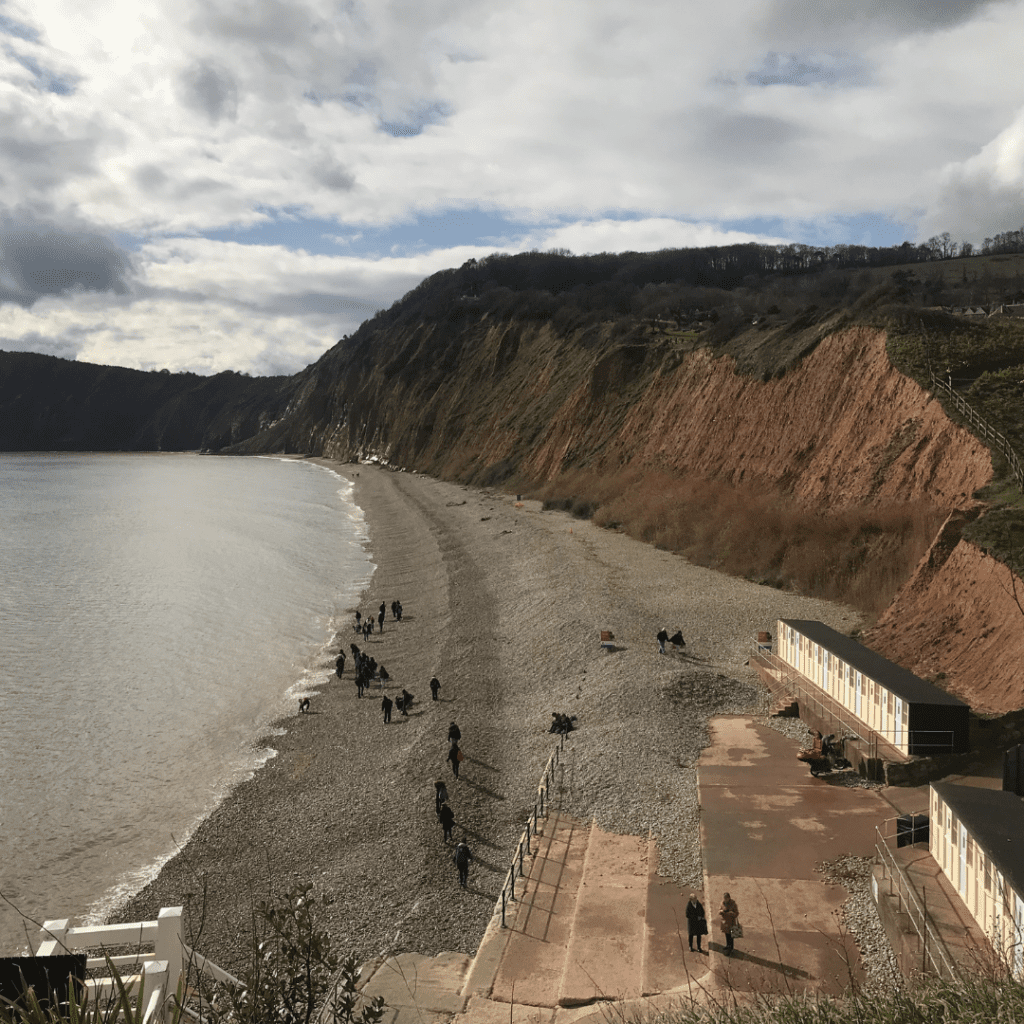
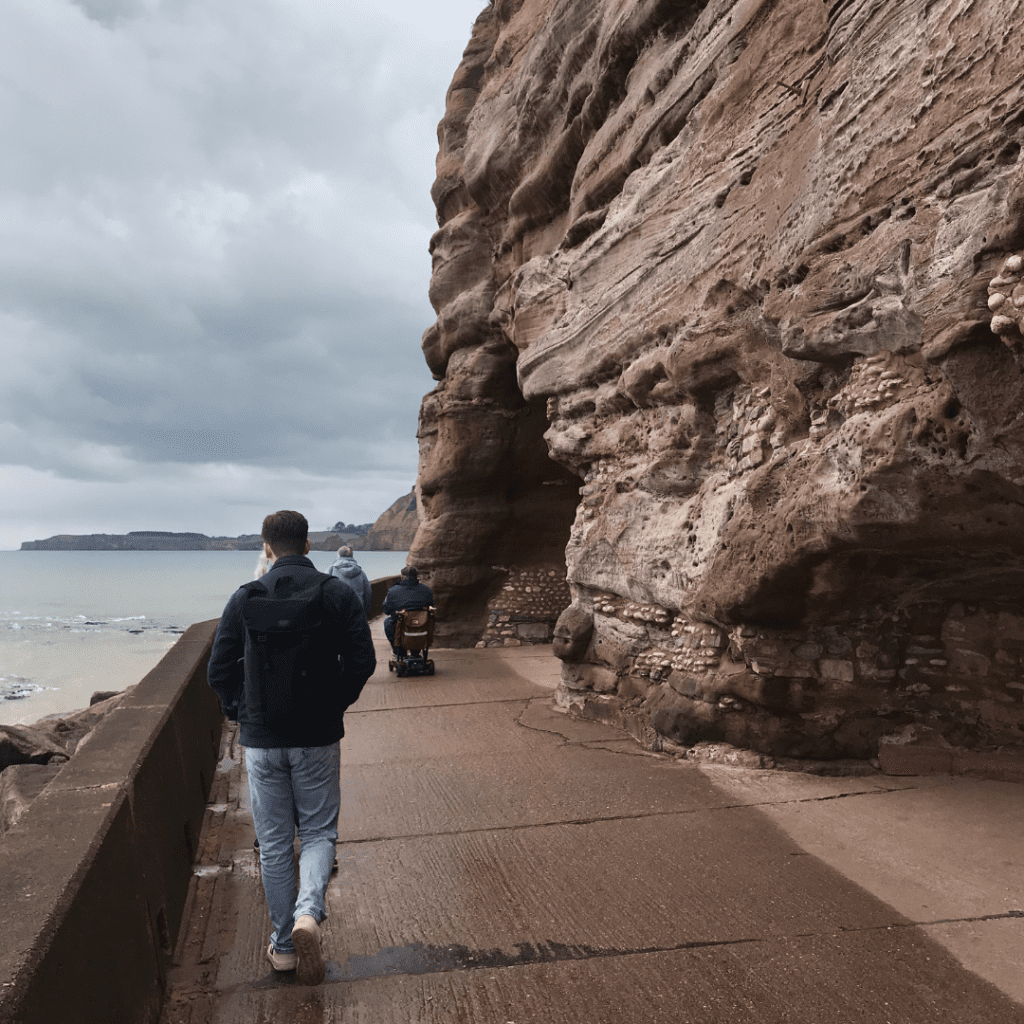
Whilst there, the students had to collect and analyse a range of qualitative and quantitative data that they can use in their presentations. In this way they get to apply their geographical knowledge and theories in real-world settings, developing practical skills and deepening their understanding of geographical processes and issues. This kind of independent study also aids motivation and self-development.
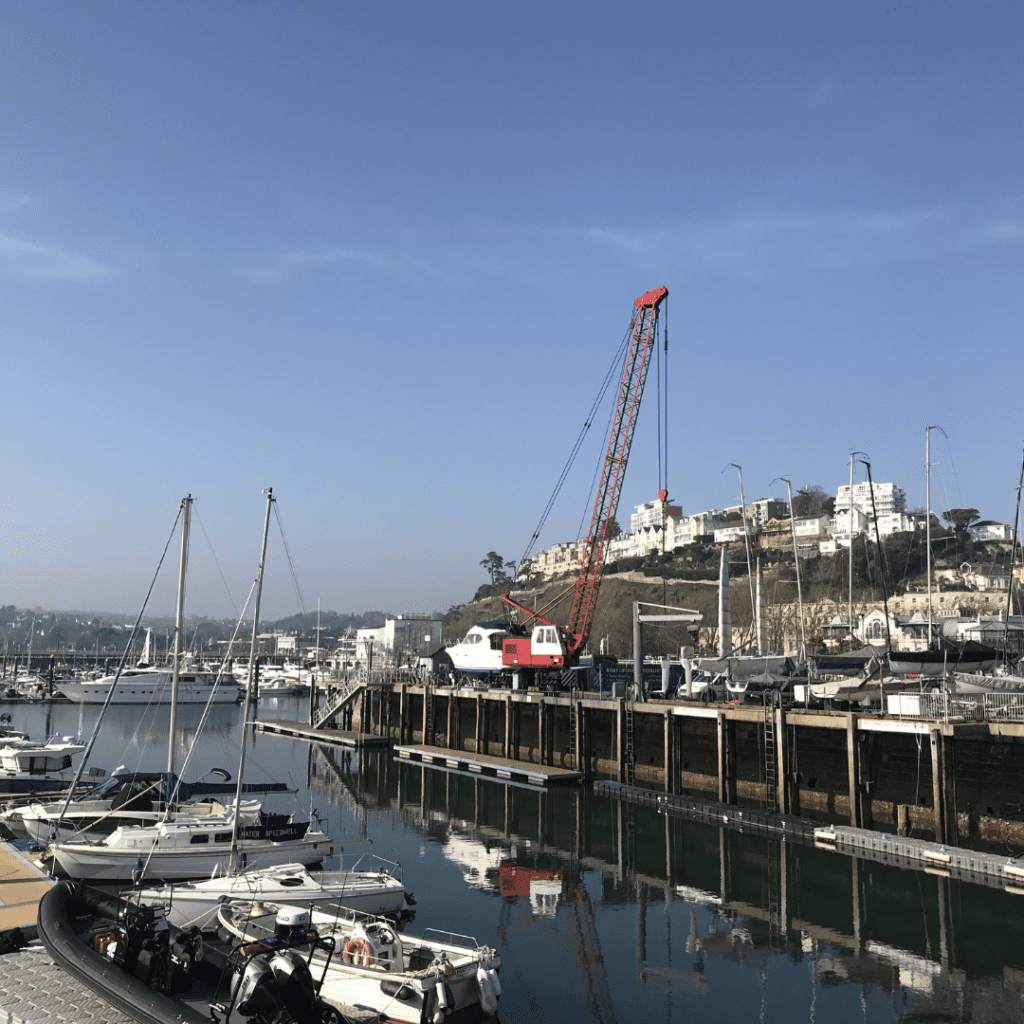
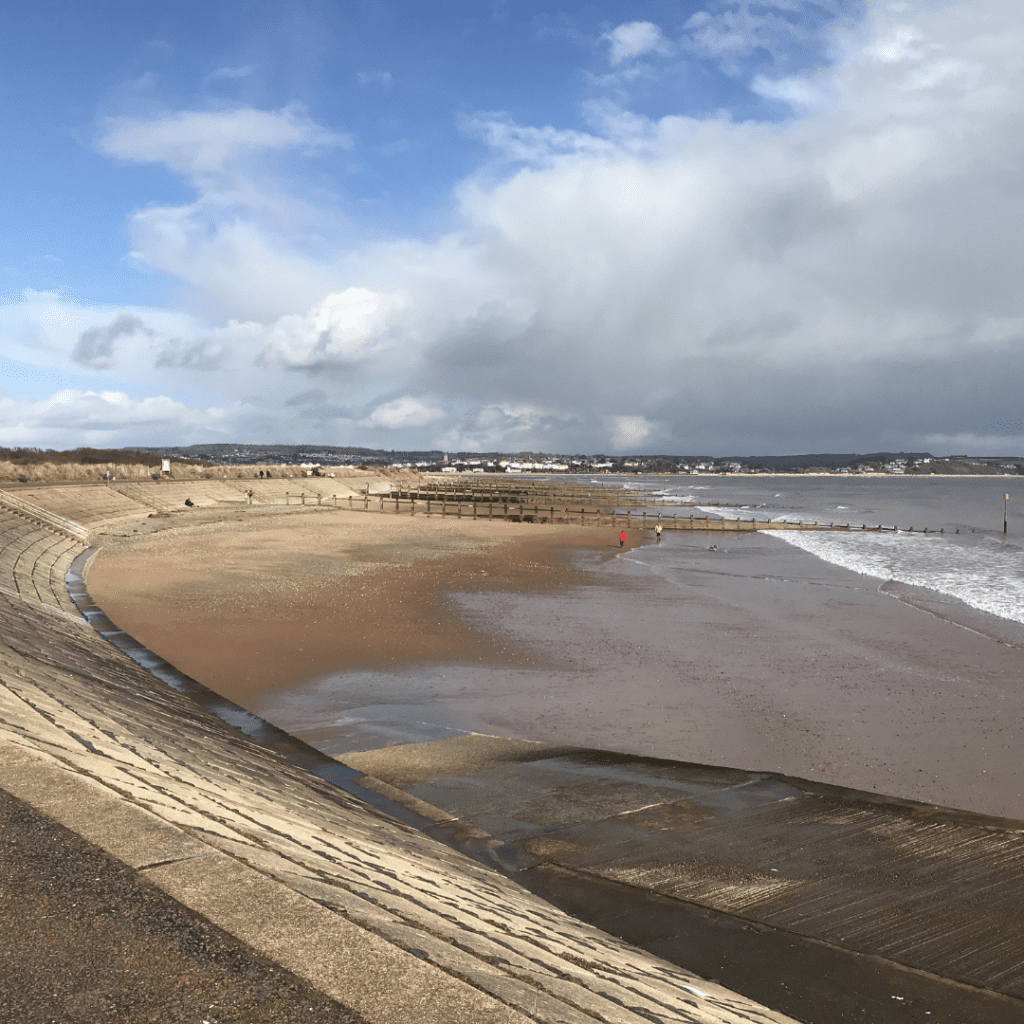
Allowing students to grapple with real-life data and information and use this back at college is significant to broaden their conceptual understanding and skills-related competence. Perhaps most significantly, taking students outside of the classroom acts as a vital tool to help bridge the classroom/real-world learning divide. In other words, fieldwork can inspire a sense of wonder and allow students to see, touch and feel the concepts that they may otherwise only learn about at college. Suffice to say, our students have loved the experience!